

A Different Way to Approach Counseling
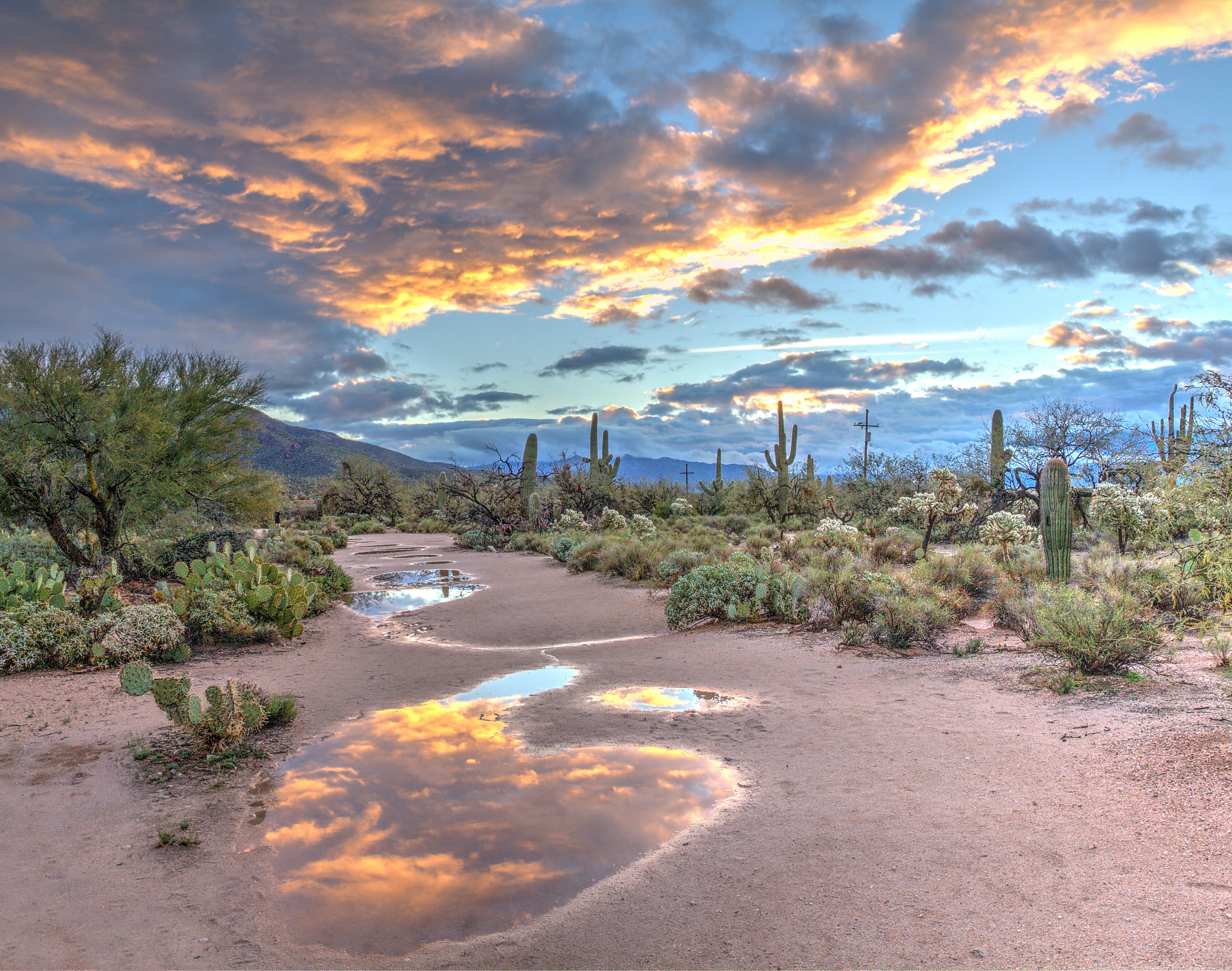
Therapy doesn’t always have to happen sitting across from someone in a traditional room. Walk and talk therapy offers a different environment for meaningful conversations. Instead of sitting face-to-face for an entire session, we may walk, sit, pause along a trail, or spend time talking outdoors. For some people, movement and open space can make it easier to think, talk, and stay engaged with what is happening internally. At Echo Canyon Therapy, outdoor sessions can take place at agreed-upon trails, parks, ramadas, and similar locations around Phoenix, Scottsdale, and Peoria. Virtual therapy is also available throughout Arizona.
Therapy That Doesn’t Have to Feel Like an Office
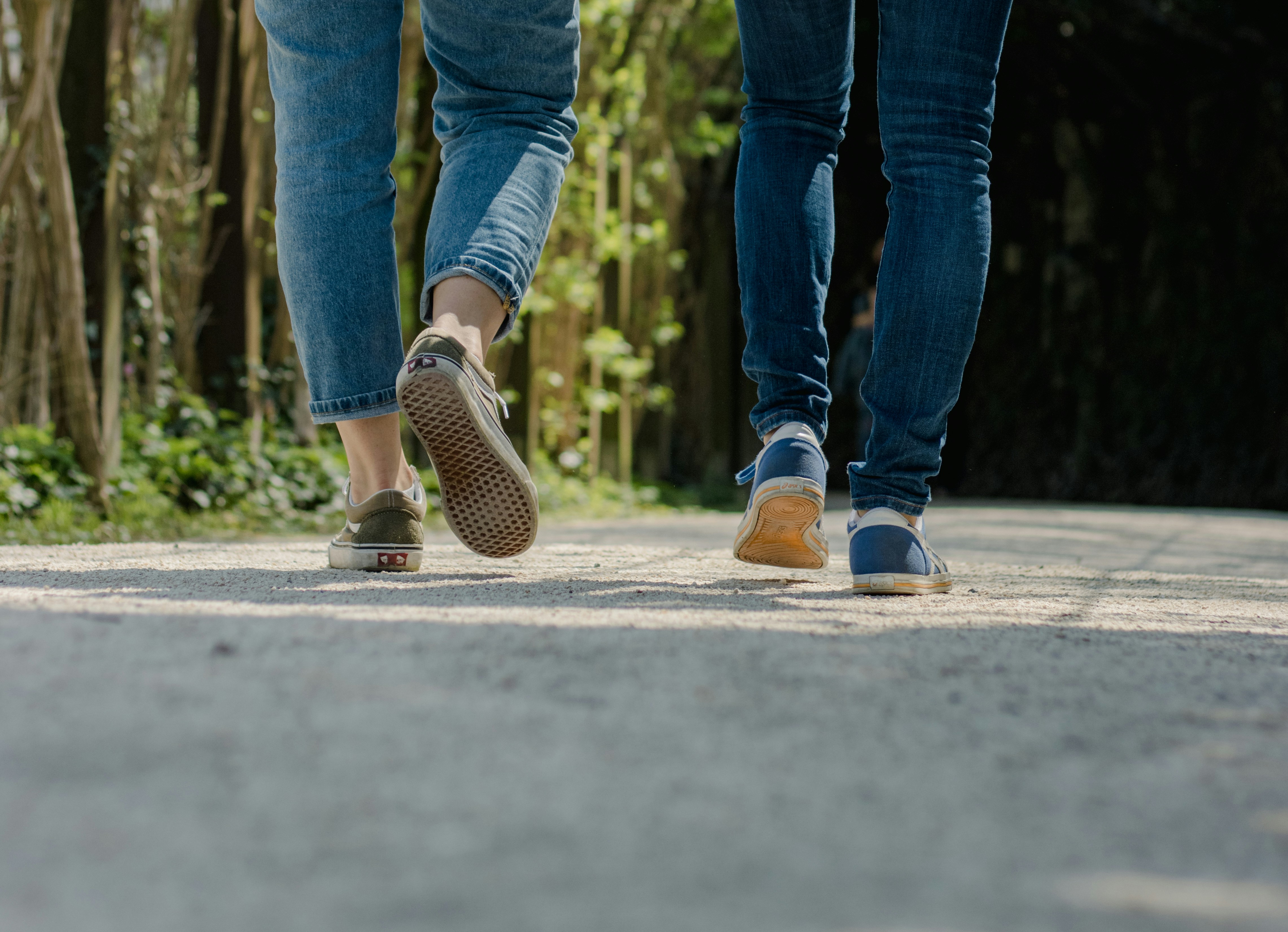
For some people, sitting directly across from someone for an entire therapy session can feel more intense than the conversation itself. Walking side by side can change that dynamic. Instead of maintaining constant eye contact, you can move, look around, pause, notice what is happening in your body, or simply keep walking while we talk. There is still space for difficult conversations, reflection, silence, humor, frustration, and everything else that can happen in therapy. The difference is that the environment may feel less formal and more natural. The goal is not exercise. The goal is to create an environment where meaningful therapeutic work can happen. Some sessions may involve walking for much of the appointment. Others may involve sitting beneath a ramada, stopping somewhere along the trail, or combining movement and conversation.
The goal is not exercise. The goal is to create an environment where meaningful therapeutic work can happen.
What Is Walk and Talk Therapy?
Walk and talk therapy is psychotherapy that takes place outdoors rather than entirely inside a traditional therapy room. People sometimes call this walking therapy or therapy while walking, but the setting is flexible and the therapeutic work remains central. The therapeutic work itself can include many of the same conversations and approaches used in other forms of counseling. What changes is the environment. We might walk along a relatively easy trail, meet at a park, sit beneath a ramada, or move between walking and sitting during the session. Movement can sometimes make conversation feel less rigid. Being outside can also provide opportunities to notice what is happening in real time—your thoughts, emotions, breathing, physical tension, urge to avoid, pace, or ability to stay present. Walk and talk therapy does not mean forcing every experience into a metaphor about nature. The outdoors is simply part of the therapeutic setting.
The outdoors is simply part of the therapeutic setting.
Why Choose Walk and Talk Therapy?
Walk and talk describes the setting, not a promise that outdoor therapy is better for everyone. Some people simply prefer having another way to engage in meaningful therapeutic work.
Less Pressure Around Eye Contact
Walking next to someone can feel different from maintaining direct eye contact throughout an entire session.
Movement While You Process
Some people find it easier to organize their thoughts or stay engaged while their body is moving.
A More Natural Setting
A trail, park, or shaded outdoor space may feel less clinical than a traditional therapy environment.
Room for Silence
Pauses can feel different when you are walking. There may be less pressure to immediately fill every quiet moment.
Space to Slow Down
Being outside can create a different pace from work, home, screens, appointments, and daily responsibilities.
A Different Way to Engage
If traditional therapy settings have felt overly formal, uncomfortable, or stagnant, meeting outdoors offers another option.
What Can We Work On While Walking?
Walk and talk describes the setting, not the problem being treated. The fact that therapy happens outdoors does not mean the work has to stay light or superficial. We can explore difficult experiences, patterns, relationships, emotions, and decisions that might come up in any other therapy setting. Depending on what brings you to therapy, we might work with trauma or difficult past experiences, addiction and recovery, anxiety, depression, shame, relationship patterns, attachment, emotional avoidance, perfectionism, identity, life transitions, stress, feeling disconnected from yourself, feeling stuck, difficulty identifying emotions, difficulty expressing what you need, or patterns that keep repeating despite knowing better.
Walk and Talk Therapy in Phoenix, Scottsdale, and Peoria
Echo Canyon Therapy offers outdoor walk and talk therapy at agreed-upon locations around Phoenix, Scottsdale, and Peoria. If you are looking for outdoor counseling in Phoenix, we can talk through whether this format fits your needs. The exact meeting location can vary based on availability, weather, accessibility, the type of session, and what makes sense for the client. Possible settings include parks, trailheads, ramadas, walking paths, and other appropriate outdoor public spaces. We can discuss location options before the first outdoor appointment. For clients who prefer not to meet outdoors—or when weather or circumstances make an outdoor session impractical—virtual therapy is available throughout Arizona.

What Does a Walk and Talk Therapy Session Look Like?
The setting is flexible, but the purpose is still therapy. A session can change shape based on the location, weather, accessibility, and what feels useful that day.
01
Choose a Location
We agree on an outdoor meeting location that makes sense for the session.
02
Meet Outdoors
We may meet at a trailhead, park, ramada, walking path, or another appropriate public outdoor setting.
03
Walk, Sit, or Both
There is no requirement to walk continuously. We can adjust the session based on what feels useful that day.
04
Do the Therapeutic Work
We use the time to explore what is happening in your life, understand patterns, work through difficult experiences, and identify ways of moving forward.
What About the Arizona Heat?
Outdoor therapy in Arizona requires flexibility. During warmer parts of the year, sessions may be scheduled earlier in the day, held in more shaded locations, adjusted based on current conditions, or moved online when being outdoors does not make sense. Weather can also affect outdoor plans during monsoon season or other periods of poor conditions. The goal is not to force an outdoor session simply because that was the original plan. When necessary, virtual therapy provides another option.
You Don’t Have to Be a Hiker
Walk and talk therapy does not mean every session is a strenuous hike. We can choose a setting and pace that fit what you are comfortable with. Depending on the session, we might walk along an easier trail, use a flatter walking path, sit beneath a ramada, stop somewhere along the way, or spend much of the session sitting in one place. There is no requirement to move quickly, cover a certain distance, climb a mountain, carry hiking equipment, be athletic, or have hiking experience. The physical activity is secondary to the therapy.

Therapy Can Look Different
If walking, being outdoors, or simply getting out of the traditional therapy setting sounds appealing, we can talk about whether this approach makes sense for you.
Frequently Asked Questions About Walk and Talk Therapy
Contact Echo Canyon Therapy
Have questions or want to see whether therapy may be a good fit? Complete the form below, and I will follow up with you.